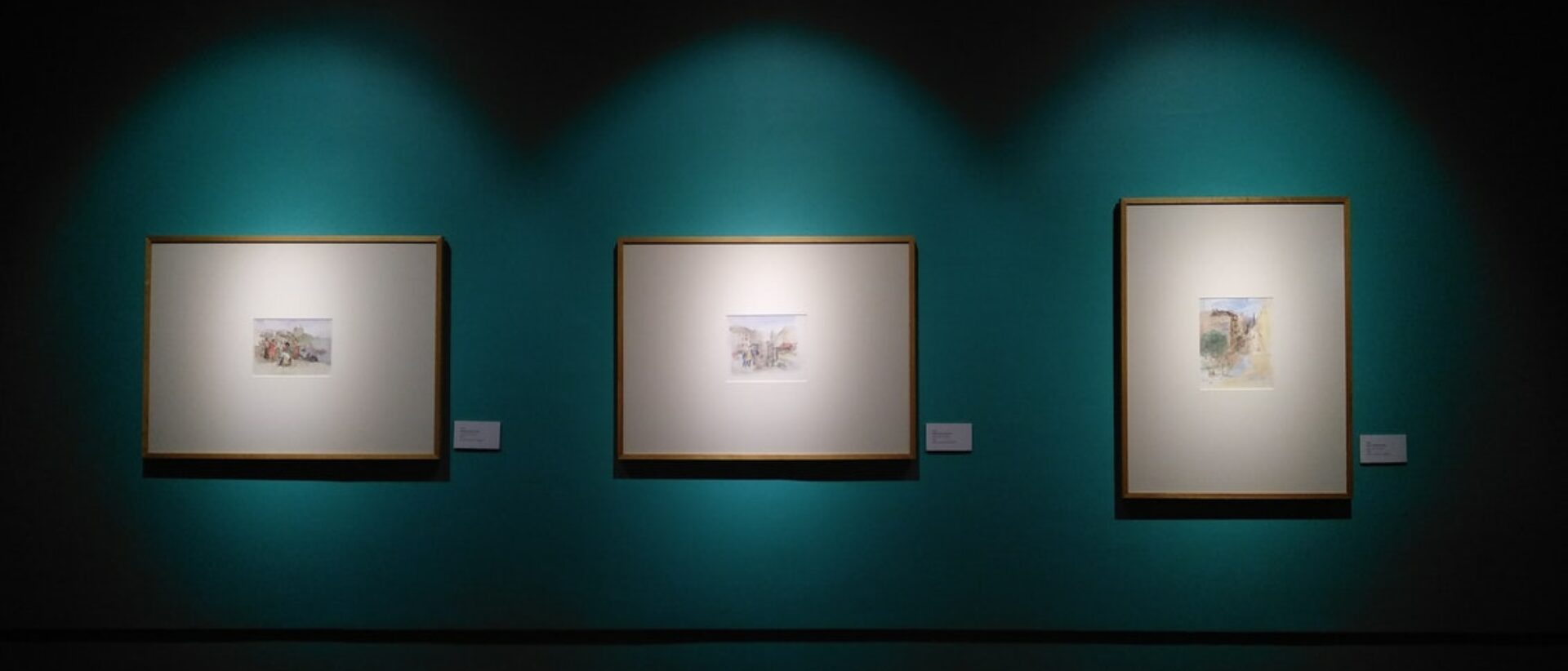
In the digital age, the way people discover culture and the way they unwind after a busy day have both changed dramatically. Art galleries, once tied to physical spaces and local audiences, now reach viewers around the globe through online exhibitions, virtual tours, and high-resolution archives. At the same time, online gaming has evolved from simple browser games into rich, interactive environments that blend entertainment, strategy, and social interaction. Platforms such as Total Arts Gallery illustrate how digital tools can make art more accessible and approachable, while entertainment platforms like Fugu Casino online offer a different kind of engagement—one built around excitement, quick decision-making, and immersive play. Although art and online gaming may seem unrelated at first, both are being reshaped by the same forces: technology, user experience design, and the growing desire for interactive digital experiences.
Accessibility and the New Audience for Art
One of the most significant shifts in the art world is the expansion of access. Online galleries remove geographical barriers, allowing a visitor in one country to explore collections curated on the other side of the world. This matters not only for art lovers who live far from major museums, but also for students, emerging artists, and casual viewers who might feel intimidated by traditional gallery spaces. With a few clicks, people can browse exhibitions, read about artists, and learn the background of a piece without time pressure or travel costs. As a result, online platforms have helped art become part of everyday digital life, rather than an occasional destination experience.
Digital access also changes how art is presented. Curators can build themed collections, highlight emerging creators, or provide context through interviews and editorial notes. Viewers can return to a work multiple times, compare it with similar pieces, or share it with friends as easily as sharing a song or an article. These small changes add up to a more flexible and personal way of engaging with creativity.
The Rise of Interactive Digital Experiences
Interactivity is one of the defining qualities of modern digital platforms, and it plays a central role in both online art galleries and online gaming. In the art world, interactivity can mean zoomable images that reveal brush strokes, texture, and fine details that might be hard to see even in person. It can also include guided virtual tours, clickable exhibit maps, or multimedia elements such as audio commentary and short documentary clips. These features help visitors move from passive viewing to active exploration, turning a gallery visit into an experience that invites curiosity.
Online gaming platforms use interactivity in a more direct way: the player’s decisions shape the experience in real time. Every spin, bet, or strategic choice creates immediate feedback, which is part of what makes digital games so engaging. Rather than watching entertainment unfold, users participate in it—testing their instincts, managing risks, and learning from outcomes. This active participation is one of the strongest links between gaming and digital art spaces: both encourage users to explore, respond, and stay involved.
Fugu Casino Online and the Appeal of Immersive Play
Within the broader landscape of online entertainment, Fugu Casino online represents a style of digital leisure built around immersive gameplay and variety. Online casinos typically offer a range of experiences—from slots and roulette to card games and other table formats—each designed to deliver quick engagement and a sense of excitement. For many players, the appeal lies in the mix of chance and strategy. A game may be easy to start, but it can still reward careful thinking, focus, and self-control, especially in formats where timing and decision-making matter.
It is also worth noting that online gaming environments are often designed with strong visual and audio elements. Animations, sound effects, and responsive interfaces create a sense of atmosphere that mirrors the goal of many digital art platforms: to make the user feel present and immersed. In that sense, gaming design and digital exhibition design share a common language—both rely on pacing, aesthetics, and usability to keep people engaged.
Technology Behind Both Worlds
The technology powering online galleries and online entertainment continues to evolve. Art platforms depend on high-resolution imaging, color accuracy, fast loading, and sometimes 3D modeling or virtual reality tools to recreate the feeling of standing in front of an artwork. Many platforms also use recommendation systems to help viewers discover new artists or styles based on what they have explored before. In gaming, technology supports smooth performance across devices, secure transactions, user verification, and interactive features such as live updates and responsive animations. In both cases, the goal is the same: to create a frictionless experience that feels modern, intuitive, and enjoyable.
As these technologies improve, the boundaries between cultural exploration and entertainment become less rigid. A person might spend the morning browsing a virtual exhibition and reading about artistic movements, then spend the evening enjoying a game that offers a different kind of mental challenge. Both activities can stimulate attention and curiosity—just through different channels.
Balancing Creativity and Relaxation
Art is often seen as intellectually enriching, while gaming is commonly viewed as a form of relaxation. In practice, both can contribute to a balanced lifestyle when approached thoughtfully. Exploring art can inspire creativity, improve visual literacy, and introduce new perspectives. Gaming can provide a break from routine, a way to decompress, and an opportunity to engage with strategy and probability in an entertaining setting. The key is intentional use: choosing activities that support well-being, setting healthy limits, and recognizing when it is time to switch from stimulation to rest.
A balanced digital routine might include short, regular moments of cultural exploration—such as browsing a curated collection or learning about a new artist—alongside leisure activities that provide quick enjoyment. When people combine these experiences, they can keep their minds engaged without feeling overwhelmed.
Conclusion
The intersection of art and entertainment in the digital world is one of the most interesting cultural shifts of the modern era. Platforms like Total Arts Gallery show how technology can expand access to creativity and help audiences engage more deeply with artistic expression. At the same time, entertainment platforms such as Fugu Casino online demonstrate how digital experiences can deliver excitement, strategy, and immersive play from virtually anywhere. Together, these examples highlight a future in which creativity and fun are not separate categories, but complementary parts of a connected digital lifestyle. By embracing both cultural discovery and responsible entertainment, users can enjoy a richer, more varied relationship with the digital spaces they visit every day.